Key Points
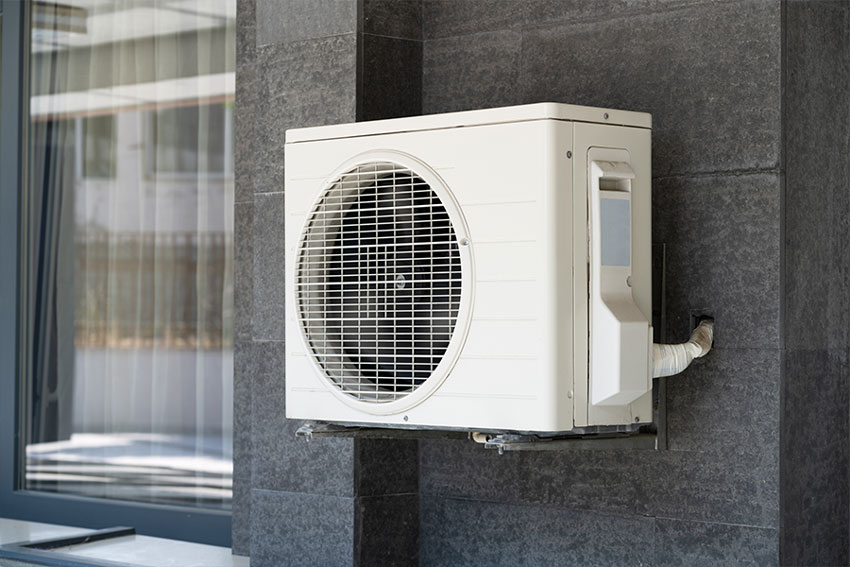
- Mini split systems consist of an outdoor compressor and one or more indoor air-handling units — no ductwork required, making them one of the least invasive HVAC upgrades available for Dakota Ridge homes.
- According to the U.S. Department of Energy, ductless mini split systems can deliver up to 30% savings on energy costs compared to traditional HVAC systems — largely due to the elimination of duct energy losses, which account for up to 30% of energy consumption in ducted systems.
- Four key considerations before installation: correct unit sizing for your space, insulation quality, indoor and outdoor unit placement, and local permit requirements — all four affect long-term performance and efficiency.
- The installation process covers five steps: site assessment, mounting bracket installation, refrigerant line connection, electrical and drainage setup, and system testing — typically completed in one day by certified technicians.
- At Dakota Ridge’s elevation of approximately 5,700 feet, mini split systems must be properly rated for altitude — refrigerant behavior and compressor performance differ from sea level, and equipment selection should account for Jefferson County’s elevation and wide seasonal temperature range.
- Regular filter cleaning every 1–3 months and annual professional maintenance are the two most impactful steps for maintaining efficiency and extending system lifespan in Colorado’s variable climate.
- Contact Simply Mechanical for expert mini split installation and service throughout Dakota Ridge and the Jefferson County area.
Did you know that homes with mini split systems can save up to 30% on energy costs compared to traditional HVAC systems? If you’re considering upgrading your home’s comfort, understanding the installation process is essential. From proper unit sizing to strategic placement, there are several key factors to keep in mind. Let’s look at what you need to know to guarantee a successful mini split installation in your Dakota Ridge home.
Understanding Mini Split Systems
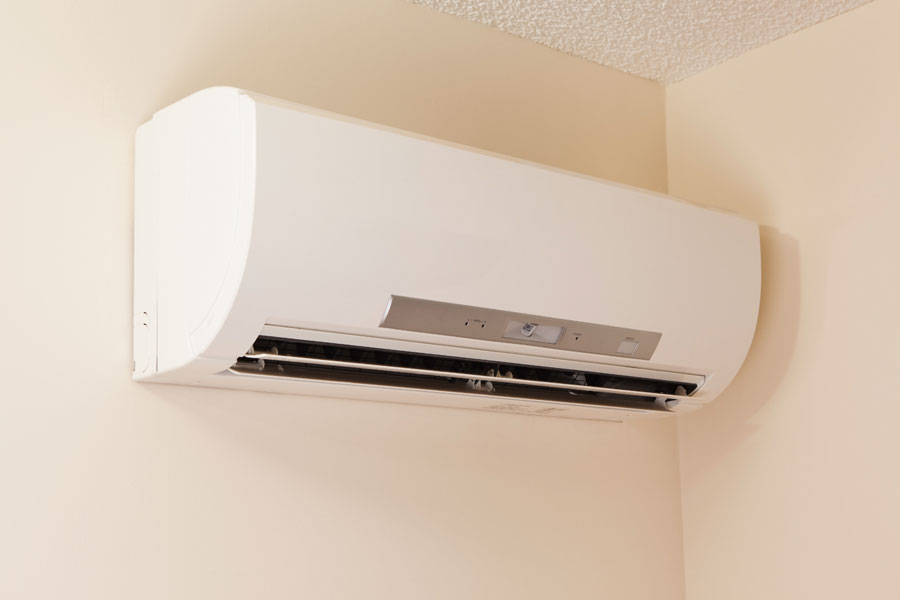
Mini split systems are a versatile solution for heating and cooling your home. These systems consist of two main components: an outdoor compressor and one or more indoor air-handling units. You can easily install indoor units in multiple rooms, providing personalized comfort throughout your home.
Unlike traditional HVAC systems, mini splits don’t require ductwork — making installation quicker and less invasive. You’ll also appreciate the flexibility they offer; you can control the temperature in each room independently, which saves energy and money. Their compact design allows for seamless integration into your home’s aesthetics. Additionally, these systems provide zone-specific cooling and heating without extensive renovations, making them ideal for a wide range of home configurations.
If you’re looking for a reliable heating and cooling option, a ductless mini split system could be just what you need to maintain year-round comfort.
How mini splits differ from traditional forced-air systems in Dakota Ridge homes: Many homes in the Dakota Ridge and Ken Caryl area were built with forced-air furnaces and central AC — systems that rely on ductwork to distribute conditioned air. Mini splits sidestep the ductwork entirely, which eliminates the energy losses that ducted systems suffer (the DOE estimates duct losses account for up to 30% of a home’s heating and cooling energy). For homes adding a room addition, finishing a basement, or converting a garage into living space, mini split installation is often the most cost-effective path to extending comfort to that new space without the expense of extending existing ductwork.
Benefits of Mini Split Installation
When you choose to install a mini split system, you’re not just enhancing your home’s comfort — you’re also investing in energy efficiency and cost savings.
Mini splits offer zone control, allowing you to cool or heat specific areas of your home without wasting energy on unoccupied rooms. This targeted approach can lead to lower utility bills, making it a smart financial choice. Moreover, mini splits operate quietly — providing a peaceful environment while maintaining the desired temperature.
Their compact design means they take up less space than traditional HVAC systems, offering greater installation flexibility. With easy installation and minimal maintenance, you’ll enjoy the benefits without the hassle. Many mini split systems also come with advanced features such as remote control and programmable settings, allowing you to customize your comfort. Energy-efficient systems are designed to handle Colorado’s variable climate effectively.
Mini splits in Colorado’s four-season climate: Dakota Ridge sits in Jefferson County’s foothills transition zone — summer temperatures regularly reach the mid-to-upper 90s°F, while winters bring sustained cold stretches below 10°F and occasional heavy snowfall. Modern cold-climate heat pump mini splits can provide efficient heating down to -13°F or below, making them a practical year-round system for the Front Range rather than just a supplemental cooling solution. When paired with existing heating infrastructure, a mini split adds zoned cooling and supplemental heating that can meaningfully reduce reliance on the primary heating system during shoulder-season months.
Key Considerations Before Installation
Before installing a mini split system, there are several factors to evaluate carefully.
Unit sizing: A properly sized unit guarantees peak efficiency and comfort. An undersized unit struggles to meet demand on Colorado’s hottest and coldest days; an oversized unit short-cycles, reducing dehumidification effectiveness and increasing wear.
Home insulation: Good insulation improves mini split performance and reduces energy costs significantly. In Dakota Ridge’s mix of older and newer construction, insulation levels vary considerably — a well-insulated home requires a smaller unit to maintain comfort than a drafty one of the same square footage.
Indoor and outdoor unit placement: Ideally, units should be placed away from direct sunlight and obstructions for maximum airflow. The outdoor unit should have adequate clearance on all sides and be elevated above the typical snow accumulation line for Dakota Ridge winters.
Local permits and regulations: Check Jefferson County permit requirements before installation. Some installations require a mechanical permit, and work performed without required permits can create issues at resale. Consulting with trusted air handler repair and installation professionals can provide insights into maximizing your system’s performance and navigating local requirements.
Budget: Consider not just the unit cost but installation labor, electrical work if a dedicated circuit is needed, and long-term maintenance costs. The upfront investment in a quality mini split with professional installation typically delivers a faster return through energy savings than a lower-cost unit installed improperly.
Dakota Ridge altitude consideration: At approximately 5,700 feet elevation, refrigerant behavior and compressor performance differ from sea level. Not all mini split models are rated for high-altitude operation, and equipment selection should account for Jefferson County’s elevation range. Simply Mechanical’s technicians are familiar with altitude-appropriate equipment selection for the Front Range and foothills communities.
Installation Process Overview
Once you’ve considered the key factors, it’s time to understand what the installation actually involves. Here’s a step-by-step overview of what to expect:
Step 1 — Site Assessment: A technician evaluates your home to determine the best locations for indoor and outdoor units, accounting for wall structure, electrical access, refrigerant line routing, and drainage.
Step 2 — Mounting Bracket Installation: The outdoor unit is securely mounted to guarantee stability and proper airflow — elevated on a pad or wall bracket to keep it above snow accumulation.
Step 3 — Refrigerant Line Connection: Copper lines connect the indoor and outdoor units through a small hole in the exterior wall, enabling efficient heat exchange. Line set length and routing affect system performance — longer runs reduce efficiency.
Step 4 — Electrical and Drainage Setup: Proper wiring and drainage systems are installed to guarantee safe operation and prevent condensate leaks. A dedicated electrical circuit is typically required.
Step 5 — System Testing: The technician verifies refrigerant charge, tests all operating modes, and confirms proper drainage before the installation is complete.
It’s important to work with certified technicians who specialize in ductless mini split systems to ensure a proper installation. Most residential single-zone installations are completed in one day.
What to verify after installation is complete: Before the technician leaves, confirm that the system heats and cools effectively in both modes, that the remote or smart controller is programmed correctly, and that the condensate drain is flowing properly with no signs of backup. Ask for documentation of the refrigerant charge level and any warranty registration that needs to be completed — most manufacturer warranties require professional installation to be valid.
Maintenance Tips for Mini Split Systems
Keeping your mini split system in top shape is vital for peak performance and energy efficiency in Dakota Ridge’s variable climate.
Clean or replace filters every 1–3 months — dirty filters restrict airflow and reduce efficiency. During Colorado’s wildfire smoke season (typically July–September), filters may need more frequent attention than the standard interval.
Clear the outdoor unit regularly — check for debris such as leaves, dirt, and snow accumulation. In Jefferson County winters, clear snow and ice from around the unit after significant snowfall, and never obstruct the airflow path.
Schedule professional maintenance at least once a year — during this visit, a ductless mini split repair and maintenance technician will inspect the system, clean coils, check refrigerant levels, and verify electrical connections.
Monitor the drain line to prevent clogs — flushing it with a vinegar solution periodically helps. A clogged drain line causes condensate backup that can damage walls and ceilings.
Watch for performance changes — unusual noises, inconsistent temperatures, or unexplained increases in your Xcel Energy bill are all signals worth investigating. Don’t hesitate to call Simply Mechanical for assistance. Maintaining your mini split system not only prolongs its lifespan but also keeps your home comfortable year-round.
Key Takeaways
Mini split installation in Dakota Ridge, CO offers a ductwork-free path to zoned, efficient comfort in Jefferson County’s wide-ranging climate — from summer highs approaching 100°F to winter lows below 0°F. The DOE confirms up to 30% energy savings over traditional systems, primarily by eliminating duct energy losses. Before installation, four factors require careful evaluation: unit sizing, insulation quality, placement, and local permit compliance. At Dakota Ridge’s ~5,700-foot elevation, altitude-appropriate equipment selection matters — not all mini splits are rated for high-altitude performance. The five-step installation process is typically completed in one day by certified technicians. Ongoing filter cleaning every 1–3 months and annual professional maintenance are the most impactful steps for protecting your investment and maintaining efficiency. Contact Simply Mechanical for expert mini split installation, repair, and maintenance throughout Dakota Ridge and Jefferson County, CO.
Ready To Install a Mini Split in Your Dakota Ridge Home?
In Dakota Ridge, a mini split system delivers both comfort and efficiency without the bulk and invasiveness of traditional HVAC. By investing in proper installation and regular maintenance, you’re ensuring a comfortable home environment and meaningful energy savings for years to come.
Contact Simply Mechanical for expert mini split installation and mini split repair throughout Dakota Ridge and the greater Jefferson County area.