Did you know that homes with mini split systems can save up to 30% on energy costs compared to traditional HVAC systems? If you’re considering upgrading your home’s comfort, understanding the installation process is essential. From proper unit sizing to strategic placement, there are several key factors to keep in mind. Let’s investigate what you need to know to guarantee a successful installation in your Dakota Ridge home.
Understanding Mini Split Systems
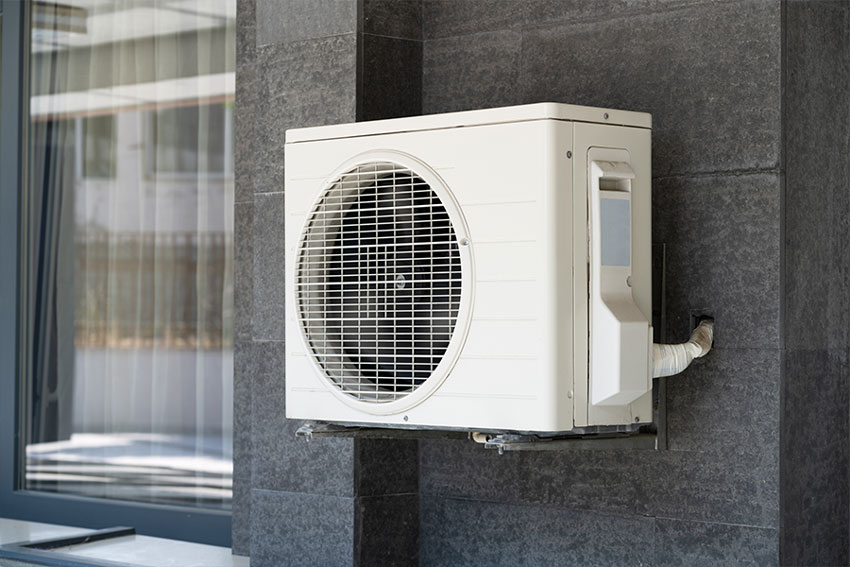
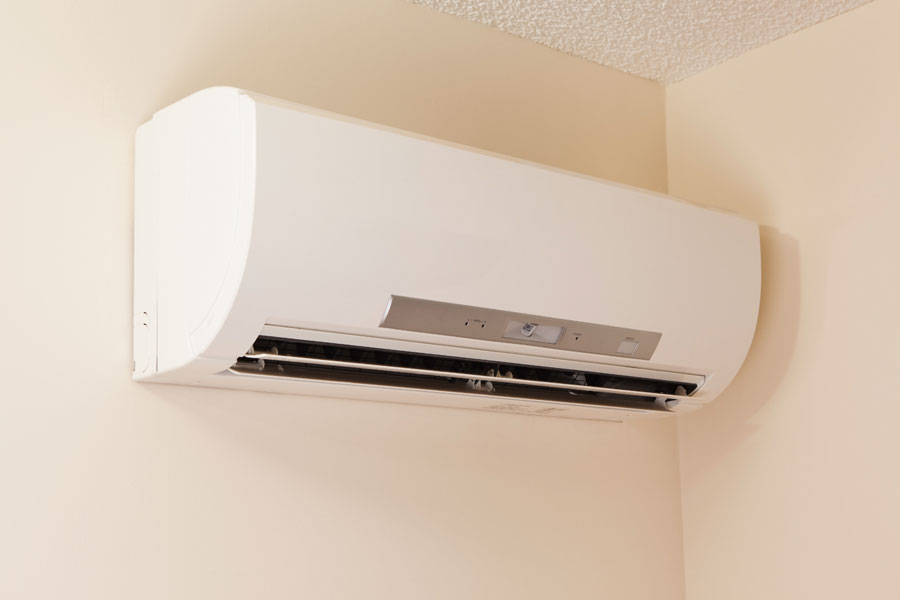
Mini split systems are a versatile solution for heating and cooling your home. These systems consist of two main components: an outdoor compressor and one or more indoor air-handling units. You can easily install indoor units in multiple rooms, providing personalized comfort throughout your home.
Unlike traditional HVAC systems, mini splits don’t require ductwork, making installation quicker and less invasive.
You’ll furthermore appreciate the flexibility mini splits offer; you can control the temperature in each room independently, which saves energy and money.
Moreover, their compact design allows for seamless integration into your home’s aesthetics. Additionally, these systems provide zone-specific cooling and heating without extensive renovations, making them ideal for a wide range of home configurations.
If you’re looking for a reliable heating and cooling option, a mini-split system could be just what you need to maintain year-round comfort.
Benefits of Mini Split Installation
When you choose to install a mini split system, you’re not just enhancing your home’s comfort; you’re also investing in energy efficiency and cost savings.
Mini splits offer zone control, allowing you to cool or heat specific areas of your home without wasting energy on unoccupied rooms. This targeted approach can lead to lower utility bills, making it a smart financial choice.
Moreover, mini splits operate quietly, providing a peaceful environment while maintaining the desired temperature.
Their compact design means they take up less space than traditional HVAC systems, offering greater installation flexibility.
With easy installation and minimal maintenance, you’ll enjoy the benefits without the hassle.
Plus, many mini-split systems come with advanced features such as remote control and programmable settings, allowing you to customize your comfort. Additionally, energy-efficient systems are designed to handle Colorado’s variable climate effectively.
Key Considerations for Installation
Have you considered the key factors to evaluate before installing a mini-split system? First, consider the size of your space. A properly sized unit guarantees peak efficiency and comfort.
You’ll likewise want to assess your home’s insulation; good insulation improves performance and reduces energy costs.
Next, consider the locations of the indoor and outdoor units. Ideally, they should be placed away from direct sunlight and obstructions for maximum airflow.
Furthermore, check local regulations and permits, as some areas have specific requirements for installations.
Finally, consider your budget, not just for the unit itself but in addition for installation and potential maintenance costs. Additionally, consulting with trusted air handler repair professionals can provide insights into how to maximize your system’s performance.
Installation Process Overview
Once you’ve considered the key factors for your mini-split installation, it’s time to understand the installation process.
This involves several essential steps to guarantee everything runs smoothly and efficiently.
Here’s a quick overview of what to expect:
Site Assessment: A technician evaluates your home to determine the best locations for indoor and outdoor units.
Installation of Mounting Brackets: The outdoor unit is securely mounted to guarantee stability and proper airflow.
Refrigerant Line Connection: Copper lines connect the indoor and outdoor units, enabling efficient heat exchange.
Electrical and Drainage Setup: Proper wiring and drainage systems are installed to guarantee safe operation and prevent leaks.
Additionally, it’s important to consult with certified technicians who specialize in ductless mini split systems to ensure a proper installation.
With these steps completed, you’ll be well on your way to enjoying the comfort of your new mini split system!
Maintenance Tips for Mini Split Systems
Keeping your mini split system in top shape is vital for peak performance and energy efficiency. Start by regularly cleaning or replacing the filters every 1-3 months, as dirty filters restrict airflow and reduce efficiency.
Next, check the outdoor unit for debris such as leaves or dirt, and clear any obstructions to ensure proper airflow.
It’s likewise wise to schedule professional maintenance at least once a year. During this visit, a technician will inspect the system, clean coils, and check refrigerant levels.
You should additionally keep an eye on the drain line to prevent clogs—flushing it with a vinegar solution can help.
Finally, monitor your system’s performance. If you notice unusual noises or inconsistent temperatures, don’t hesitate to call Simply Mechanical for assistance.
Maintaining your mini split system not only prolongs its lifespan but also keeps your home comfortable year-round.
Conclusion
In Dakota Ridge, you can enjoy both comfort and efficiency with a mini-split system. While traditional HVAC systems can be bulky and invasive, mini splits offer a sleek, unobtrusive solution that fits seamlessly into your home. By investing in proper installation and regular maintenance, you’re not just ensuring a cozy environment; you’re additionally boosting your energy savings. So, why settle for less when you can enjoy year-round comfort with a system designed for your lifestyle?