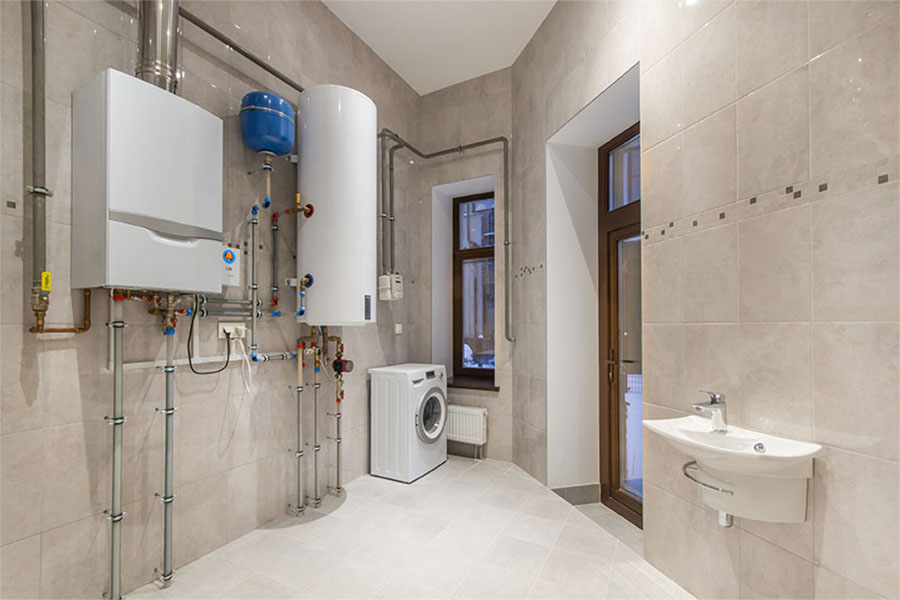
If you’re facing issues with your boiler in Littleton, CO, it can be frustrating, especially during the chilly months. You might notice that your home isn’t heating properly or that strange noises are coming from the unit. Understanding these common problems is essential for maintaining a comfortable environment. Let’s explore what could be going wrong and how you can tackle these issues effectively.
No Heat or Insufficient Heat
When you find yourself shivering in your own home, it’s essential to act quickly if there’s no heat or insufficient heat coming from your boiler.
First, check your thermostat—make sure it’s set to a comfortable temperature and is functioning properly. If that’s not the issue, inspect your boiler’s pilot light; if it’s out, relight it according to the manufacturer’s instructions. You should also look for any unusual noises or leaks around the unit, as these can indicate deeper problems.
Next, make certain that your radiators aren’t blocked by furniture or debris, which can hinder heat distribution.
If none of these solutions work, it might be time to call in a professional. At Simply Mechanical, our certified technicians are ready to help restore your home’s warmth quickly and efficiently, making sure you feel comfortable again in no time. With over 30 years of experience in boiler repair for Littleton families, we guarantee honest answers and clear communication throughout the repair process.
Boiler Pressure Issues
Boiler Pressure Issues
If your boiler’s pressure gauge is reading too low or too high, it can lead to inefficient heating or even system failure.
Start by checking the pressure gauge; it should typically read between 1 and 2 bars. If it’s too low, you can add water to the system using the filling loop. Open the valves carefully until you reach the correct pressure, and then close them.
On the other hand, if the pressure is too high, you might need to bleed radiators to release some pressure. Identify the bleed valve on your radiator, use a radiator key, and turn it counterclockwise until you hear a hissing sound.
Finally, if issues persist, it might indicate a fault in the pressure relief valve or expansion vessel. In that case, it’s best to call a professional from Simply Mechanical to guarantee your system operates safely and efficiently. Regular preventative maintenance can also help avoid these pressure issues in the future.
Unusual Noises From the Boiler
Unusual noises from your boiler can be a cause for concern, signaling potential issues that need attention. If you hear banging, clanking, or gurgling sounds, it could indicate air trapped in the system or sediment buildup in the tank.
These noises often suggest that your boiler isn’t running as efficiently as it should be.
To address this, start by bleeding the radiators to release trapped air. If that doesn’t resolve the issue, consider flushing the system to remove sediment.
Whistling or hissing noises may point to a pressure issue, so check your boiler’s pressure gauge.
If you’re unsure or the noises persist, don’t hesitate to call a professional.
At Simply Mechanical, we recognize how essential a quiet, efficient boiler is for your home’s comfort. Our certified technicians are ready to diagnose and fix the problem, ensuring your boiler runs smoothly again. Regular preventative maintenance can help avoid these issues before they escalate.
Leaking or Dripping Water
A leaking or dripping boiler can cause significant worry for any homeowner.
It’s essential to address this issue quickly to prevent water damage and maintain your boiler’s efficiency. Here are some potential causes you should consider:
- Faulty Pressure Relief Valve: If this valve malfunctions, it can lead to excess water escaping.
- Corroded Pipes: Over time, pipes may rust, creating leaks that compromise your system.
- Loose Connections: Check for any connections that may have come loose, allowing water to seep out.
To fix a leak, first, turn off your boiler and shut off the water supply.
Inspect the area for visible leaks and tighten connections where needed.
If the issue persists, it’s best to call a professional like Simply Mechanical to guarantee your boiler is repaired safely and effectively. Local experts for reliable service can help ensure that the problem is resolved promptly.
Don’t let a small leak turn into a big problem!
Boiler Keeps Turning Off
When your boiler keeps turning off unexpectedly, it can be frustrating and leave you feeling chilly.
First, check the thermostat settings. If it’s too low or malfunctioning, your boiler might shut down prematurely.
Next, inspect the water levels; low pressure can trigger an automatic shutdown.
Also, look for any error codes on the display panel, which can provide clues about the issue.
Dust and debris can block air vents or filters, causing overheating. Clean these components to guarantee proper airflow.
Finally, consider the age of your boiler; older models may struggle to function efficiently.
If you’ve tried these steps and the problem persists, it’s time to call a professional. Simply Mechanical can help diagnose and fix the issue, guaranteeing your home stays warm and comfortable.
Don’t let a faulty boiler disrupt your peace; reach out for reliable assistance today!
Pilot Light Problems
If your boiler isn’t heating, the pilot light might be the culprit.
You’ll want to check for common issues that could cause it to go out and learn how to relight it safely.
Let’s explore what you can do to get your boiler back up and running.
Common Pilot Light Issues
Pilot lights play an essential role in keeping your boiler running smoothly, but several common issues can arise. If you notice your pilot light frequently going out, it can lead to heating problems.
Here are a few issues you might encounter:
- Drafts: Even minor drafts can extinguish the pilot light, leading to inconsistent heating.
- Dirty Components: Dust and debris can accumulate, obstructing the flow of gas and preventing the pilot light from staying lit.
- Thermocouple Malfunction: This safety device might fail, causing the pilot light to turn off if it doesn’t detect heat.
Identifying these issues early can save you time and money.
If you’re unsure, it’s best to consult a professional to guarantee your boiler operates efficiently.
Relighting the Pilot Light
While dealing with pilot light issues can be frustrating, relighting it’s often a straightforward process that can restore your boiler’s functionality.
First, verify the gas supply is on and the boiler is set to the “pilot” position. Next, locate the pilot light assembly and press the reset button while holding a match or lighter near the pilot.
Once it ignites, continue holding the button for about 30 seconds to keep the flame stable. Release the button and check if the pilot remains lit. If it goes out, repeat the steps or check for gas flow issues.
If you’re still having trouble, consider reaching out to Simply Mechanical for professional assistance. They’ll guarantee your boiler runs smoothly again.
Thermostat Malfunctions
When your thermostat malfunctions, it can quickly disrupt your home’s comfort, leaving you frustrated and unsure of what to do next.
Here are a few signs that your thermostat might be the issue:
- Your heating system won’t turn on or off.
- The temperature reading seems inaccurate.
- The system cycles too frequently or not at all.
First, check the batteries if you have a digital thermostat.
If it’s wired, inspect the connections for any loose wires. A dirty thermostat can also cause problems, so gently clean it.
If these steps don’t work, you may need to recalibrate or replace your thermostat altogether.
Don’t hesitate to reach out to a professional, like Simply Mechanical, if you’re unsure.
Their certified technicians can quickly diagnose and fix any issues, ensuring your home stays comfortable year-round.
Radiators Not Heating Properly
If your thermostat is working fine but your radiators aren’t heating properly, it can leave you feeling cold and uncomfortable.
Start by checking for trapped air in your radiators. Bleed them using a radiator key to release any air pockets.
If that doesn’t help, examine your radiator valves. Verify they’re fully open and not blocked by furniture or other items.
Next, assess the boiler pressure. Low pressure can hinder heating; refer to your boiler manual for the correct levels.
If your radiators are still cold, they may need balancing. Adjust the valves on your radiators to verify even heat distribution throughout your home.
Lastly, check if the boiler is operating correctly; a malfunction could affect heating efficiency.
If you’ve tried these steps and still face issues, it might be time to contact Simply Mechanical for expert assistance. We’re here to help keep your home warm and cozy!
Error Codes on the Boiler Display
Error codes on your boiler display can be a frustrating sight, especially when you rely on it for warmth during cold months.
These codes often signal a problem that needs your attention. Here’s what you should do when you see them:
- Check the manual: Your boiler’s manual has a list of error codes and their meanings, helping you identify the issue quickly.
- Reset the system: Sometimes, a simple reset can clear the error and get your boiler back in action.
- Call a professional: If the error persists, it’s best to reach out to a certified technician for a thorough inspection.
Being proactive about understanding these error codes can save you time and guarantee your home stays comfortable.
Don’t hesitate to contact Simply Mechanical for expert help, ensuring your boiler runs smoothly all winter long!
Smells or Odors Coming From the Boiler
If you notice any unusual smells coming from your boiler, it’s important to take action.
Common odor sources can indicate a problem, and some may even pose safety risks.
Let’s explore what those smells could mean and when it’s time to call in the professionals.
Common Odor Sources
Boilers can sometimes emit odors that raise concerns for homeowners.
It’s important to identify the source of these smells to guarantee your system operates safely and efficiently.
Here are some common odor sources you might encounter:
- Burning Dust: This smell often arises after your boiler has been inactive for a while, as dust accumulates and burns off when the system restarts.
- Natural Gas: If you smell gas, it could indicate a leak. This is serious and requires immediate attention.
- Mold or Mildew: A musty odor can suggest moisture buildup, which may lead to mold growth in or around the boiler.
If you notice any of these odors, it’s wise to take action and consult a professional.
Safety Precautions Needed
When you notice unusual smells coming from your boiler, addressing the situation promptly is vital to secure your safety.
Start by turning off the boiler immediately to prevent further issues. If you detect a gas smell, like rotten eggs, evacuate the premises and call your local gas company or emergency services.
Make sure you don’t light any matches or create sparks while doing this. For other odors, like burnt plastic or overheating, ventilate the area by opening windows and doors.
Avoid touching the boiler until it’s safe, and don’t attempt repairs yourself. Remember, prioritizing safety is vital; if you’re ever in doubt, reach out to a certified technician for assistance.
Your well-being comes first!
When to Call Professionals
Noticing strange smells emanating from your boiler can be unsettling, and it’s crucial to know when to seek professional help.
If you detect any unusual odors, don’t ignore them. It’s better to be safe than sorry.
Here are some signs that it’s time to call in the experts:
- Rotten egg smell: This could indicate a gas leak, which is dangerous and requires immediate attention.
- Burning odor: This might suggest overheating or electrical issues that need professional diagnosis.
- Chemical smells: These can be a sign of coolant leaks or other hazardous issues.
Don’t hesitate to reach out to Simply Mechanical.
Our certified technicians are always ready to help guarantee your home stays safe and comfortable.

Conclusion
In Littleton, CO, keeping your boiler running smoothly is essential for a cozy home. By addressing issues like insufficient heat or strange noises early on, you can avoid costly repairs. For instance, a homeowner who ignored a minor leak ended up facing a major flood and expensive repairs. Don’t wait for problems to escalate—regular maintenance and troubleshooting can save you time and money, ensuring your boiler keeps you warm all winter long.